I have always been fascinated by volcanoes so was thrilled to explore Volcanoes National Park during a recent trip to the Big Island of Hawaii. Keep reading for some tips and tricks on how to plan a first-time visit to this magical place.
FUN FACTS ABOUT THE PARK
- First Established as Hawaii National Park on August 1, 1916 under President Woodrow Wilson
- Later Renamed to Hawaiʻi Volcanoes National Park on September 22, 1961
- Home to Kīlauea & Moana Loa – 2 of the Big Island’s 5 Main Volcanoes
- Both Kīlauea & Moana Loa are some of the World’s Most Active Volcanoes
- The Park Spans Across 354,461 Acres
- The Park has 7 Different Ecological Zones: the Coast, Lowland, Mid-Elevation Woodland, Rainforest, Upland Forest, Subalpine Area, and Alpine Area
- The Park Provides Safe Refuge to 7 Threatened Species including the Popular Hawaiian Goose (Nēnē) plus 47 Endangered Species such as the Hawksbill Turtle (Honu‘ea)
WHY YOU SHOULD VISIT
- 400,000 Years of Geological History
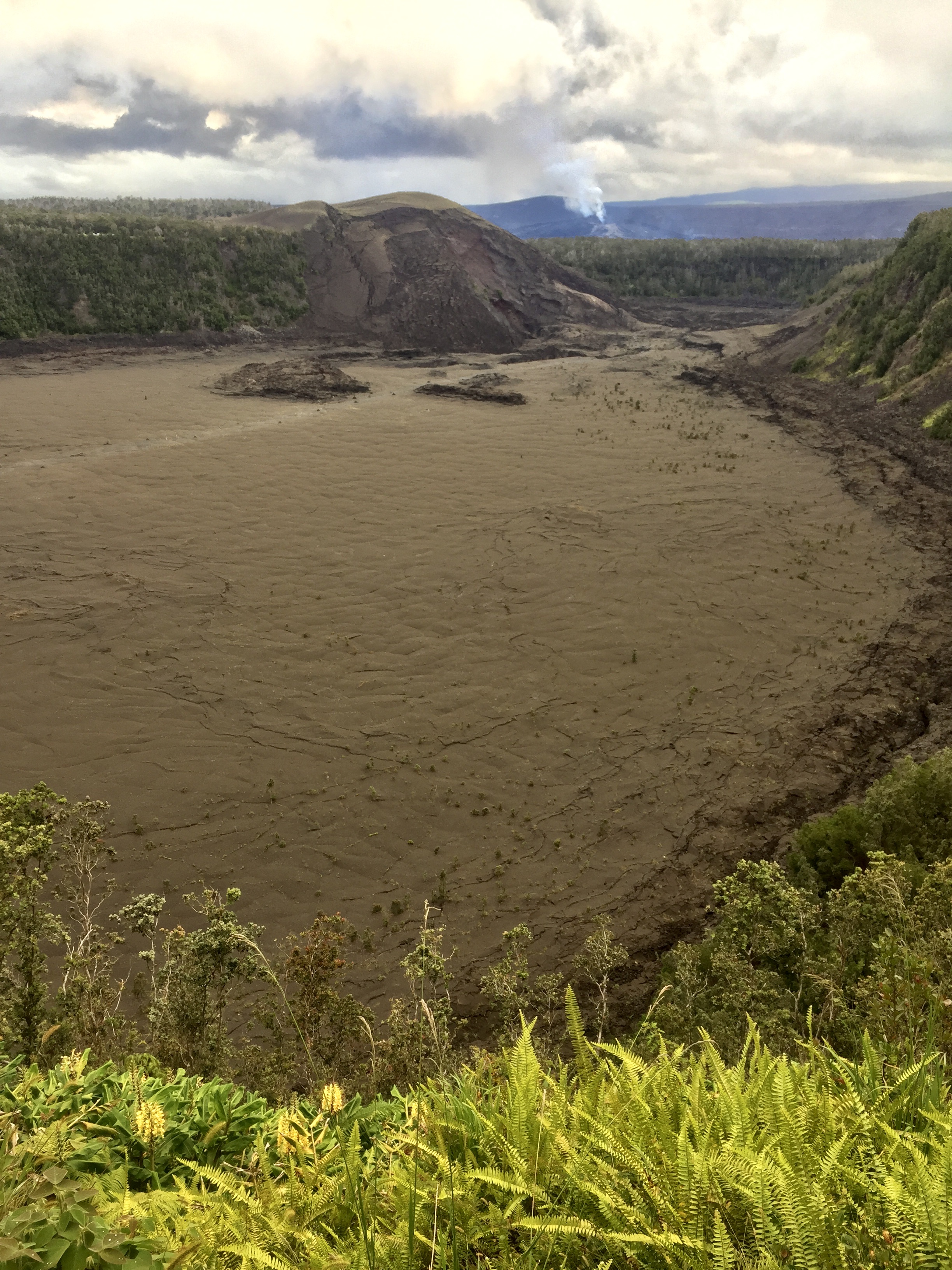
- Calderas and Craters
- Cooler Temperatures from the Rest of the Island
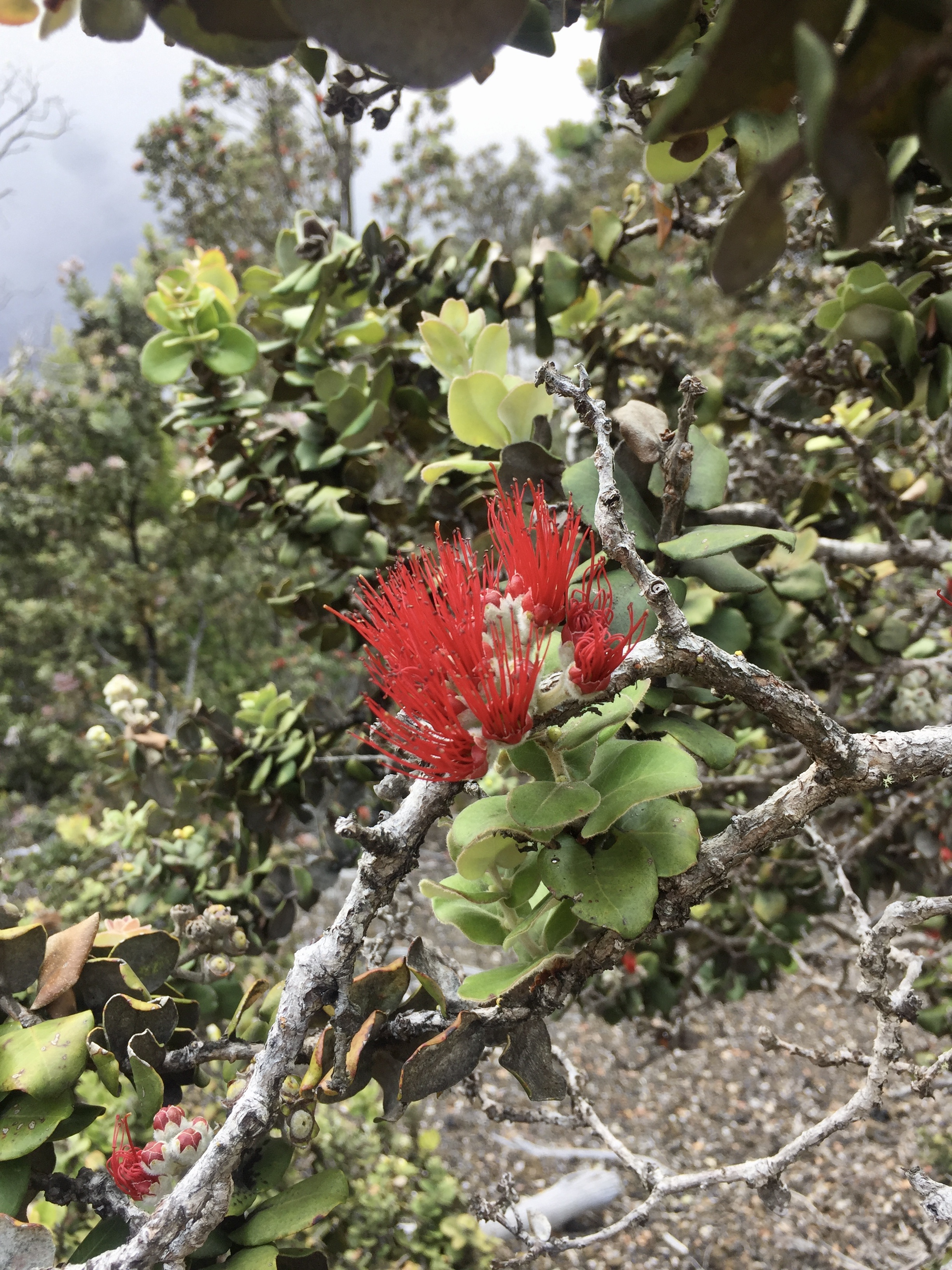
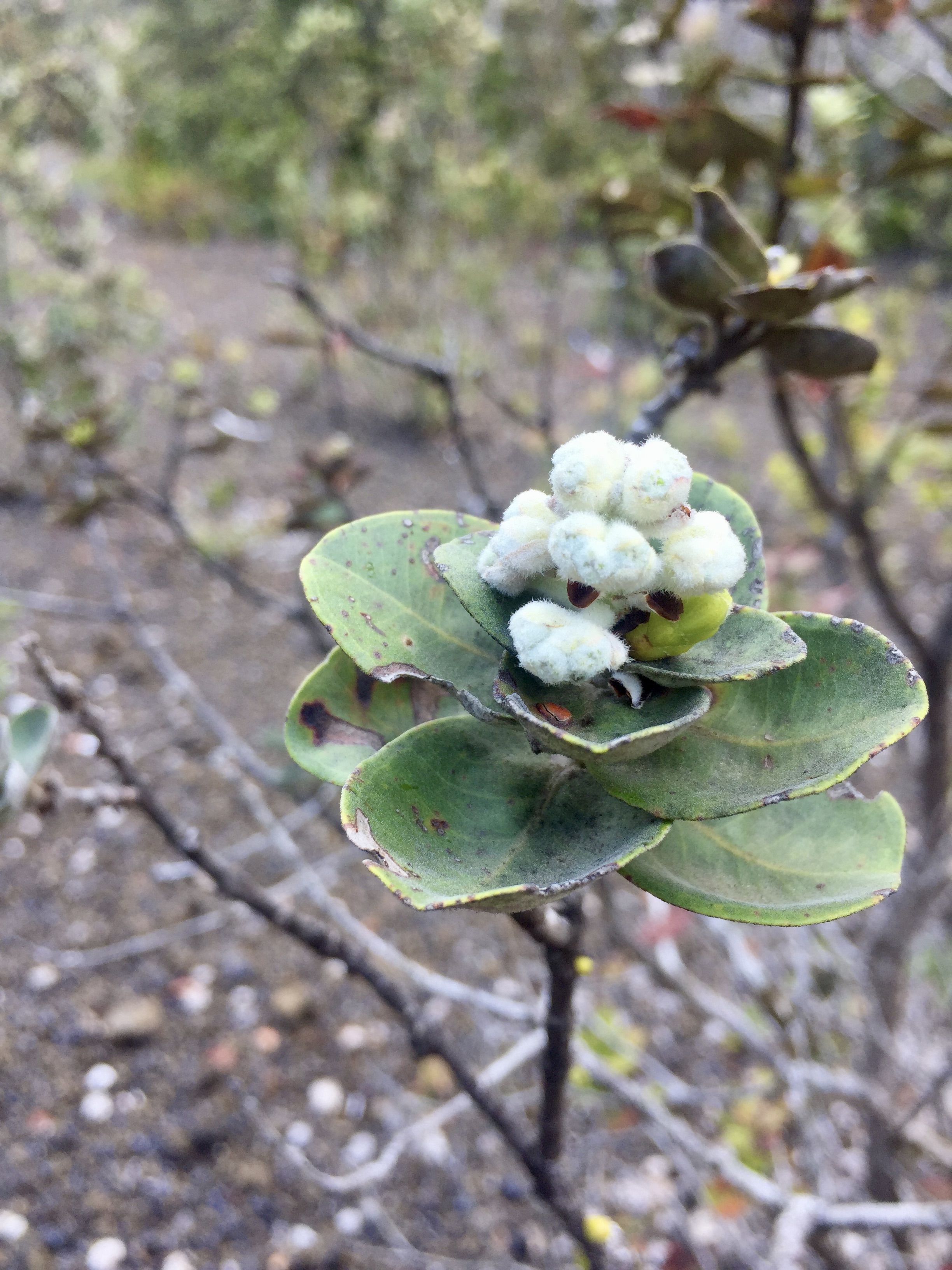
- Diversity of Plants
- Hiking Trails
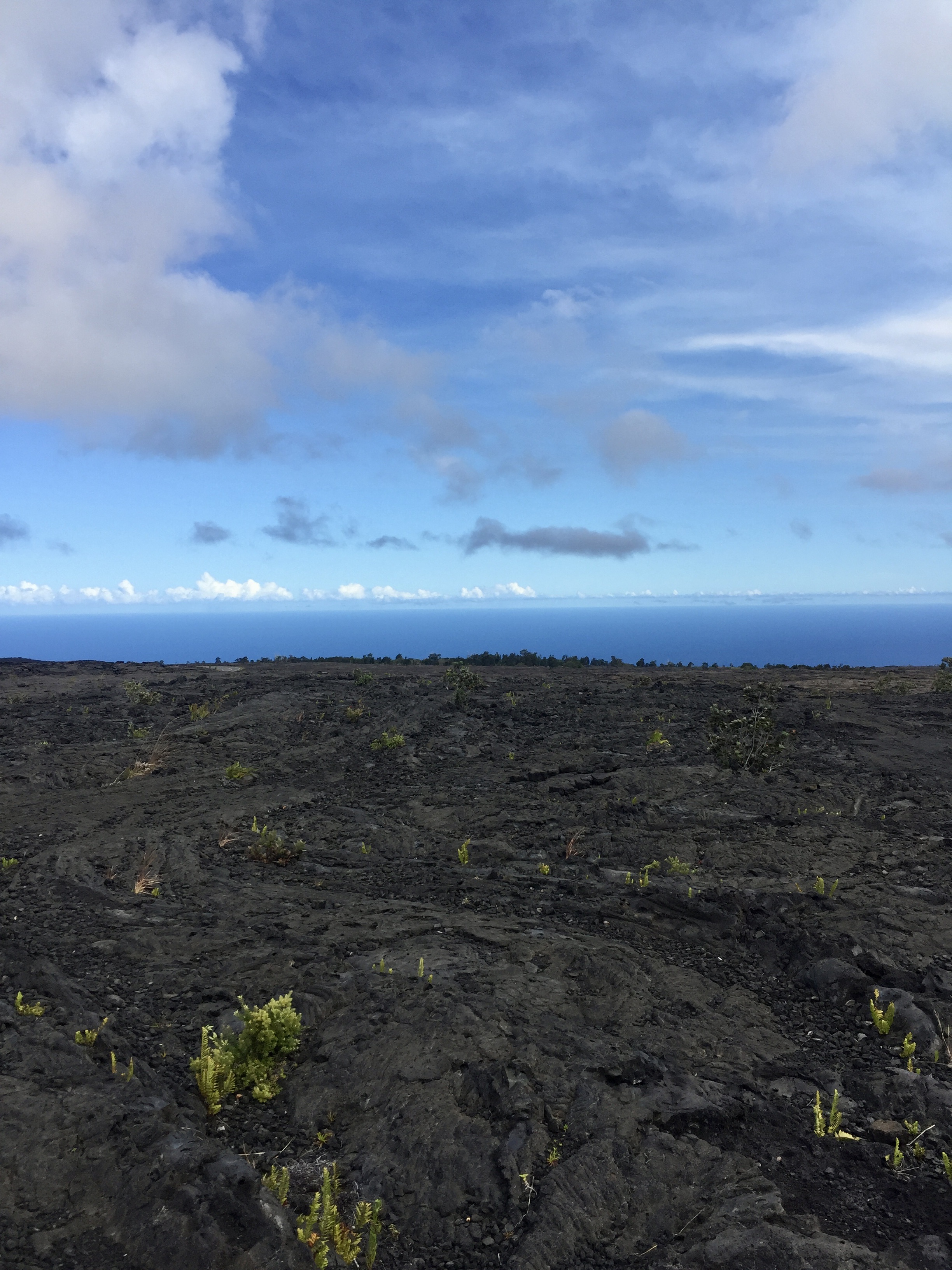
- Lava Fields
- Ocean Views
- Scenic Drives
- Steam Vents
- Unique Landscapes
- Volcanic Activity
WHAT TO KNOW BEFORE YOU GO
- Address: 1 Crater Rim Drive, Hawaii National Park, HI 96718
- Location: The park sits in the southeast and southern portion of the Big Island.
- Directions: The park is 30 miles from Hilo (45-minute drive), 85 miles from Kailua-Kona (2-hour drive), and slightly further if you are staying above Kona or along the north shore of the island.
- Driving Conditions: The main roads and highways on Hawaii are very well paved. As a first-time visitor to the Big Island and an Angeleno who is used to long commutes, I was quite impressed with the quality of the roads throughout the island and within the National Park itself. Even when it was raining, we always felt safe while driving!
- Operating Hours: The park is open 7 days a week, 24 hours a day including holidays.
- US Citizen & Resident Entrance Fees (2026): A Private Vehicle Pass including guests within the car costs $30.00. A Motorcycle Pass costs $25.00. A Pedestrian Pass costs $15.00. All passes are valid for 7 consecutive days! On-site entry is waived if you have an America The Beautiful Annual Pass. Entry to the park is free on select holidays including Presidents Day, Memorial Day, Independence Day (July 3rd-5th), and Veterans Day. The park is also free on Flag Day (June 14th), the 110th Birthday of the National Park Service (August 25th), Constitution Day (September 17th), and Theodore Roosevelt’s Birthday (October 27th).
- Non-Resident Entry Fees (2026): The same prices listed above apply to non-residents at this particular park. On-site entry is fully waived if you have a Non-Resident Annual Pass. There are, unfortunately, no free days for non-residents.
- Parking: There are a limited amount of lots inside the park. The largest lot is at the main entrance. There are a few smaller lots located at the start of some popular hiking trails. However, like most National Parks the trailhead lots are tiny, and space is very limited. In addition to these dedicated parking lots, there are quite a few pullouts at various lookout points the deeper you drive into the park. Please note that lots fill up quickly and can often be completely full during peak visiting hours.
- Restrooms: Other than the main entrance, bathrooms are quite limited especially the further you travel into the park. So if you see a bathroom and need to go, I suggest stopping.
- Water Stations: Due to the volcanic landscape, there are NO water bottle refill stations other than at the Welcome Center located near the park entrance. Water is available for purchase at the on-site restaurant also located near the entrance. For these reasons, I highly recommend packing a few canteens full of water prior to entering.
- Weather: Since the park is so large, the climate and temperature can vary drastically per ecological zone. The daily forecast in the southern part of the Big Island can also change on a dime, so be sure to check your preferred weather app prior to arrival.
- DURING OUR VISIT: In mid-July, the average temperature remained in the low 80°s towards the front portion of the park & also at the Hōlei Sea Arch along the coast. Humidity levels were around 66%. Temperatures dropped all the way down to the high 50°s on our drive through the backcountry towards Hilina Pali Overlook. We also experienced a few short spurts of rain while in the backcountry. We encountered another short flurry of very heavy rain halfway down Chain of Craters Road at the Mauna Ulu Lookout. Despite these quick bursts of precipitation which never lasted more than 5 minutes, our day at the National Park was nice and dry for the most part! Just two days prior to our visit, it was forecasted to rain all day. However, the forecast changed less than 24 hours prior to our visit so I was ecstatic that we were blessed with predominantly dry weather.
- Wardrobe: Due to the fluctuating weather mentioned above, it’s wise to come prepared for both dry and wet conditions. Light layers work best to avoid becoming too hot or too cold. If you don’t plan on doing any major hiking, you should be able to manage with sturdy sandals such as Rainbows or Teva’s. If you plan on walking over sharp and uneven lava rock, closed-toe shoes are probably the way to go since it’s always better to be safe than sorry. I highly recommend wearing both sunscreen and a hat as well.
- DURING OUR VISIT: I ended up wearing black leggings, tennis shoes, a tank top, and a hat. I also kept a light rain jacket and sturdy flip flops in the car. My partner wore shorts, a long sleeve sun shirt, a hat, and flip flops. He also packed a light rain jacket, socks, and tennis shoes in the car. Neither of us ever put on our rain jacket. Neither of us ever changed our footwear. My boyfriend did mention that he should have probably just worn his shoes as a precaution during the end of a short hike at the start of our visit. Despite this, he never felt the need to put them on once we got back to the car and even ended up walking over lava fields in his flip flops later that afternoon. So please wear whatever works best for you!
- For Additional Visitor Information – please explore the official Hawaiʻi Volcanoes National Park website.
WHAT TO DO ONCE INSIDE
- Stop By The Welcome Center: I’ve been to a few National Parks before and always head to the Visitor’s Center immediately upon arrival. While there I grab a map, ask the Park Rangers about their favorite trails and viewpoints, fill my water bottle, use the restroom if needed, and purchase a few souvenirs.
- IMPORTANT NOTE: Unfortunately, the Kilauea Visitor Center was closed for renovations during our visit on July 15, 2026. Access to the Temporary Welcome Center located just 1.25 miles from the main entrance at the Kilauea Military Camp was also completely closed off by rangers due to large crowds, lack of parking, and ongoing construction. We were finally able to drive to this Temporary Welcome Center towards the end of our day around 5:45pm, but it was, unfortunately, already closed. Please note that the Temporary Welcome Center is open daily from 9:00am to 4:45pm and does not have later summer hours like other National Parks. According to the Hawai’i Pacific Parks Association, the newly remodeled Kilauea Visitor Center is set to reopen in late 2026.
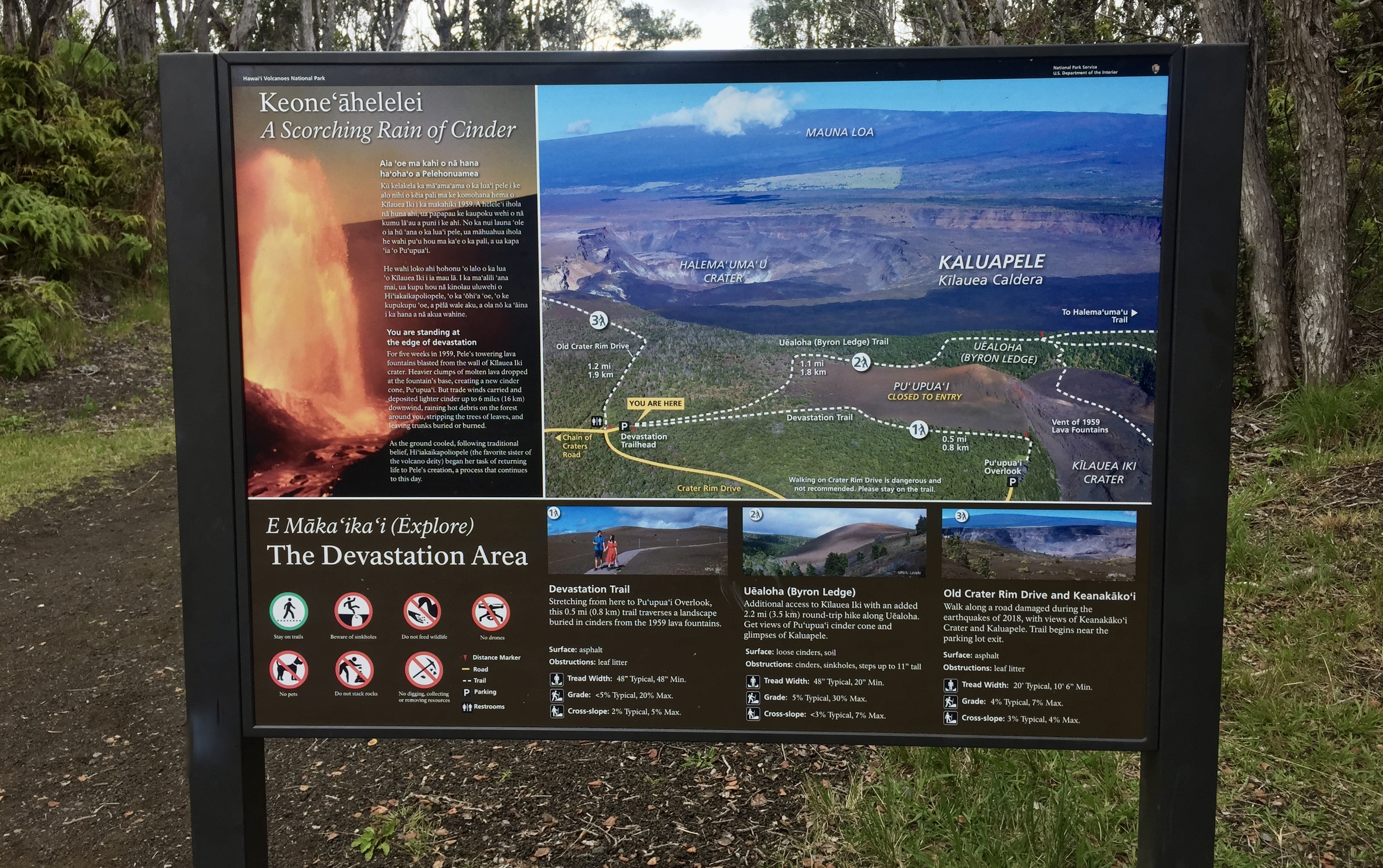
- Go On A Hike: There are a variety of trails to choose from which is great because you can find a path that suits you and/or your group’s abilities and comfort level. Some trails are paved. Some are unpaved. Some trails are predominantly flat and less than three miles roundtrip. Some are more difficult and longer in length. For your convenience, here’s a link to the park’s Day Hikes. Here’s a link to the park’s Backcountry Trails.
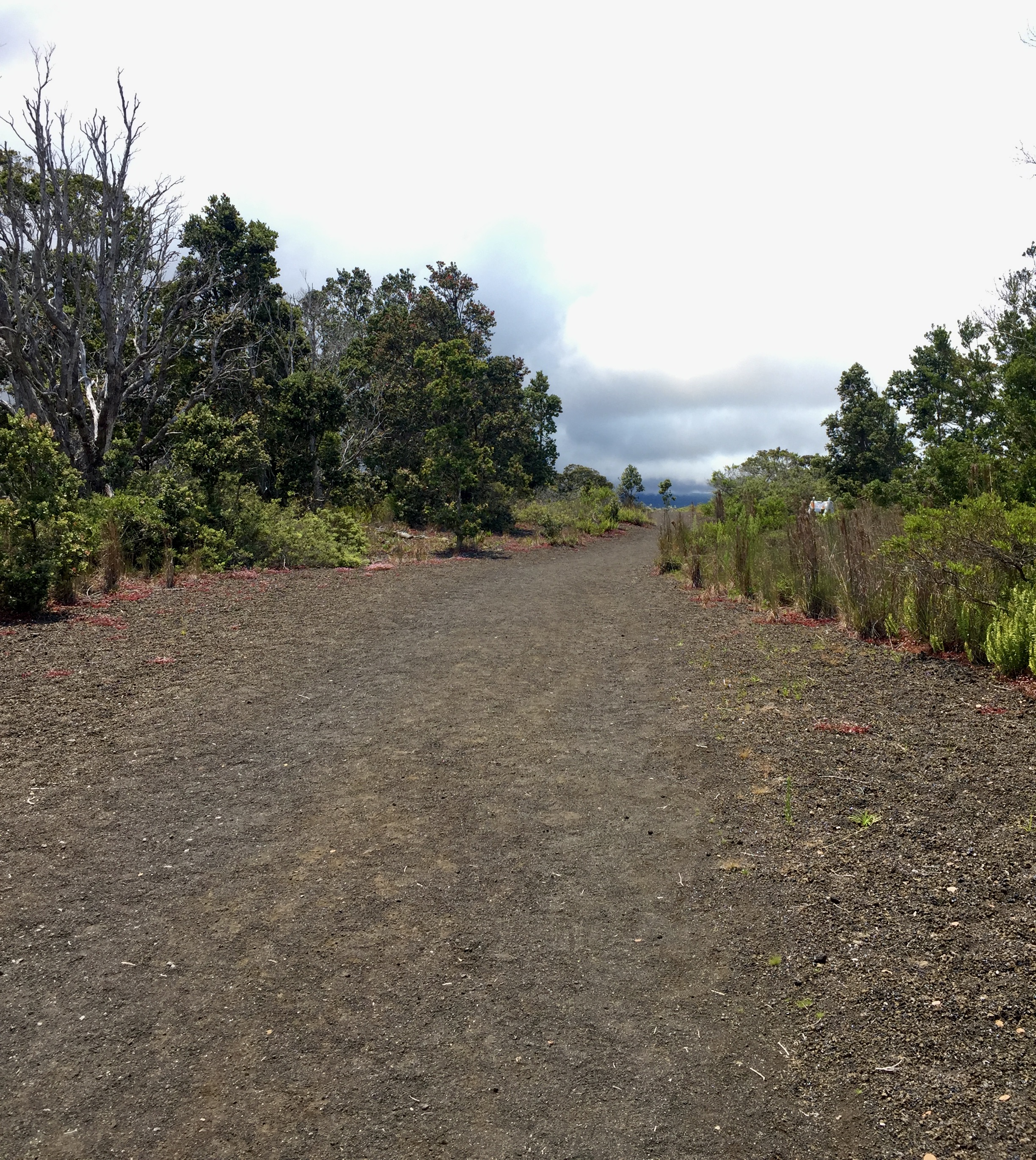
- DURING OUR VISIT: We kept our hiking to a minimum. We stuck to the Uēaloha (Byron Ledge) trail which was just 2 miles roundtrip across varying unpaved terrain. This quick hike offered beautiful, unobstructed views of the Kilauea caldera! I really wanted to walk the Thurston Lava Tube which is just a 0.4 mile loop. Unfortunately, the parking lot was still completely full at 5:30pm 😦 So with hunger & fatigue motivating our decision making, we skipped this popular stroll since we were too lazy to backtrack on foot. If my partner and I are fortunate enough to visit again, we look forward to exploring the Lava Tube and enjoying some longer trails such as the hike along the Kilauea Iki crater floor.
- Take A Scenic Drive: There are two distinct roads within the park: Crater Rim Drive and Chain of Craters Road. I, highly, recommend enjoying at least one of these drives if not both.
- DURING OUR VISIT: Access to Crater Rim Drive was completely closed off by rangers due to heavy traffic and did not fully reopen until the late afternoon. Fortunately, Chain of Craters Road was fully accessible upon arrival and high on my to-do list! The drive along Chain of Craters is 18.7 miles in each direction equalling almost 40 miles roundtrip. There are multiple lava fields, trailheads, and viewpoints to enjoy along the way. This popular road ends on the southeast coast of the Big Island at the Hōlei Sea Arch. About halfway to the Sea Arch, we deviated off the main drag and took a 1-way, paved road through the backcountry to the Hilina Pali Overlook. This spontaneous turn was well worth the added hourlong, roundtrip excursion since the landscape was ever-changing and incredibly beautiful.
- MY FAVORITE STOPS ALONG CHAIN OF CRATERS ROAD: were the expansive lava fields at Mau Loa o Maunaulu & the gorgeous ocean views from Kealakomo Overlook.
- Marvel At An Actual Eruption: That is if you get lucky like us!
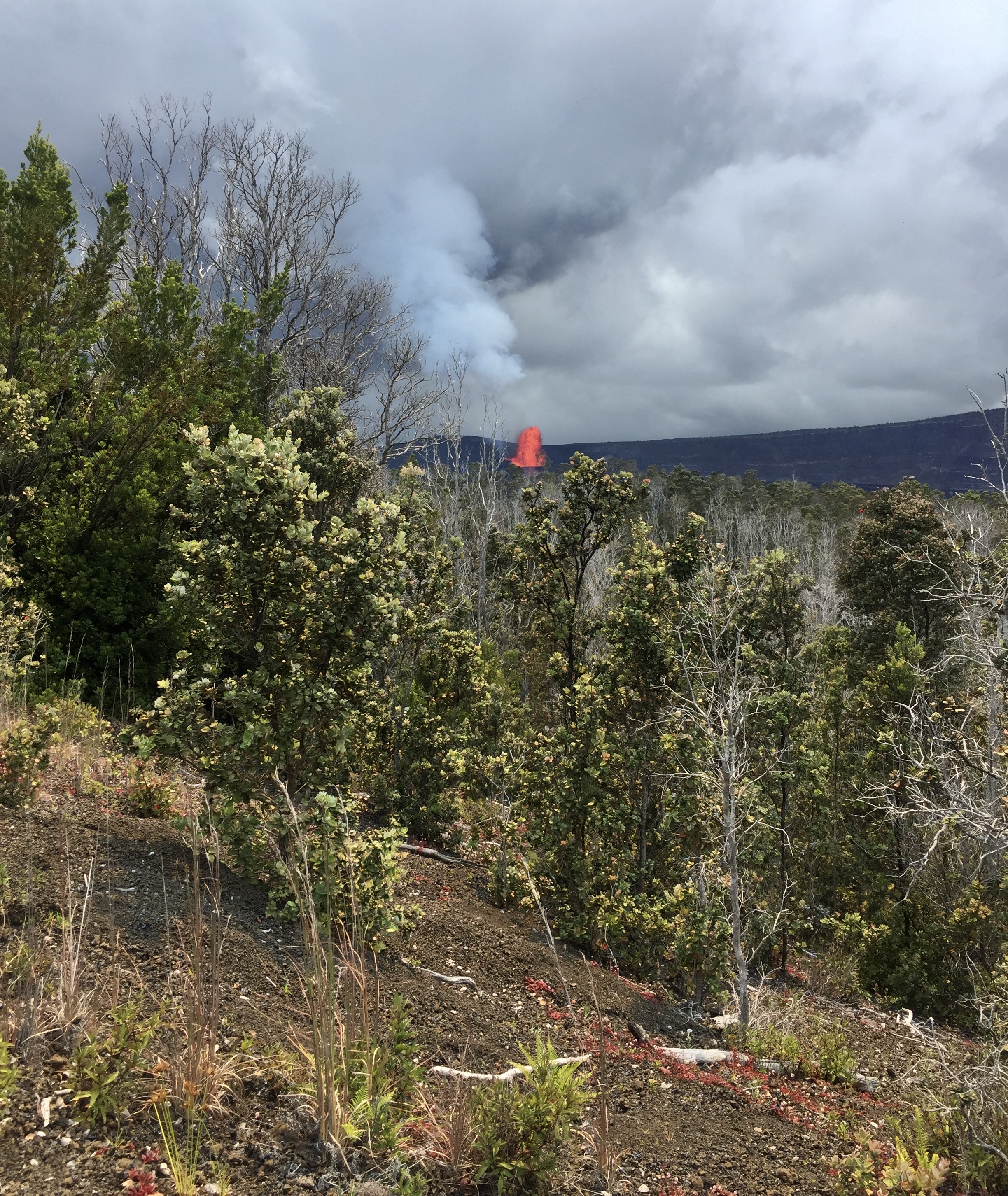
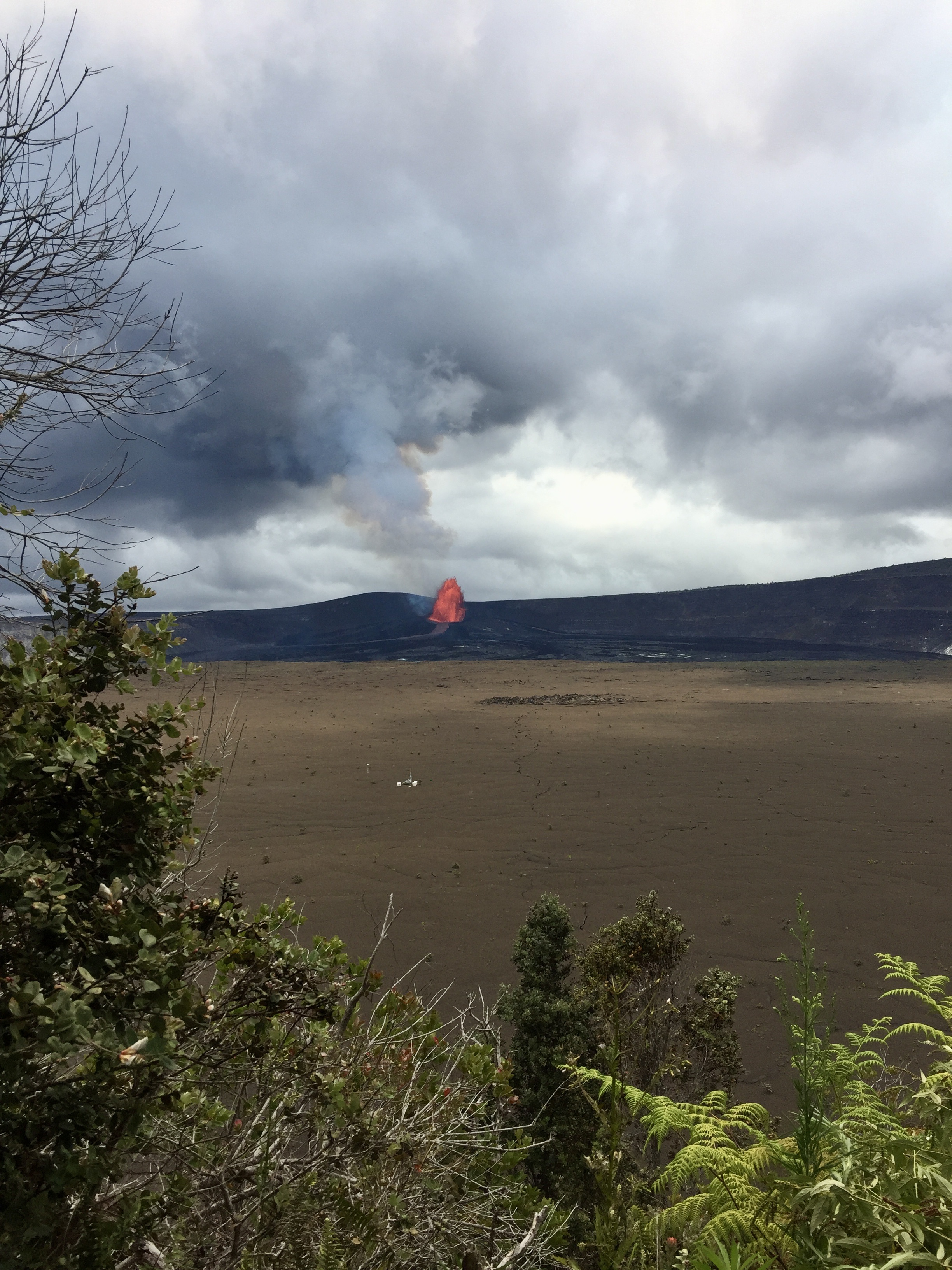
- DURING OUR VISIT: We were able to navigate through insane traffic, huge crowds, road closures, and full parking lots before finding our way to the Byron Ledge trailhead. From there, it was but a 4-minute walk until I spotted the erupting volcano through the thick foliage beyond the trail. My partner who is a full foot taller than me did not even notice the spewing lava in the distance until I pointed it out between the trees. With even more excitement racing through our veins, we walked further down the trail for another 10-15 minutes before locating a small outcropping along an edge of the Kilauea caldera around 1:20pm. The views from this small patch of land were simply impeccable. To top it off, there were never more than 15 people gathered at this sacred spot. We quietly gazed upon the fountaining lava for over 20-minutes and both felt incredibly blessed to witness such a natural phenomena in all its glory.
- FOR A BIT MORE CONTEXT: My boyfriend and I arrived in Hawaii the afternoon prior on July 14th and were already planning on heading to Volcanoes National Park the next day. Fortunately for us, Kilauea started erupting the morning of July 15th! Perfect timing!
- NAVIGATING ERUPTION-DAY CHAOS: Was no easy task as there were massive crowds made up of both locals and tourists alike. Although it only took us 40 minutes to reach the National Park from Hilo, we suddenly hit bumper-to-bumper traffic less than a mile from the entrance. To our dismay, it literally took 1 whole hour to turn into the main gate and find an available parking spot. To our delight, rangers were allowing folks to park along the shoulder of Chain of Craters Road. And to our luck, the first space we found just so happened to be a 5-minute walk to the shared starting point of both the Devastation and Byron Ledge Trails. To ensure that we saw the eruption, we asked fellow visitors returning from each trail if they spotted the volcano. Folks coming back from Devastation disappointedly said, “No,” and folks coming back from Byron Ledge excitedly replied, “Yes!” Those happy people gave us specific directions on where to go which we, in turn, passed along to others so they too could enjoy the eruption before it ended.
EPISODE 51 – KILAUEA ERUPTION DETAILS
- The eruption began at 8:30am on July 15, 2026, and ended at 4:46pm that same day resulting in a total of 8.3 continuous hours of fountaining lava.
- The eruption occurred at the north vent of the Halemaʻumaʻu pit crater located within the larger Kilauea caldera. FUN FACT: According to Hawaiian mythology, Halemaʻumaʻu is home to Pele – the goddess of volcanoes and fire. It is widely believed that Pele still controls Kilauea to this very day.
- The lava fountain reached a maximum height of 950 feet around 10:30am.
- The smoke plume reached a maximum height of 8,000 feet.
- The amount of lava spewed was estimated at around 6.6 million cubic meters.
- The spewed lava covered about 50% of the Halemaʻumaʻu crater floor.
- Volcanic ash known as tephra & locally as Pele’s hair mostly fell within a closed area of the park. A minimal amount of tephra fell upon Kai Desert and Uēkahuna Overlook. There were no reports of tephra falling in any populated areas.
- This was the 51st time that Kilauea has fountained lava since its most recent summit eruption on December 23, 2024. These subsequent eruptions are aptly named “episodes” since they have been regularly occurring at a rate of 1-4 times a month since 12/23/24. These eruptive events typically last less than 12 hours, but a few have lasted longer. Episode 3 lasted a whopping 8.5 days! These episodes have gone on for almost 2 years now, and don’t show signs of stopping anytime soon.
- For more information regarding Kilauea’s ongoing eruption – please click here.
- For details and alerts regarding Eruption Viewing within the national park – please click here.
WHERE TO STAY
- If you want to be as close to Kilauea as possible, consider staying within the National Park itself at Hawaii Volcano House. If you’re in the mood for something a bit more rustic than a standard room, the hotel also offers small cabin and tent rentals at the nearby Nāmakanipaio Campground located within the park.
- If you prefer not sleeping along the caldera of an active volcano but still want to be in the vicinity, you can find a variety of places less than 3 miles away in Volcano Village. This rural town is home to a few lodges, inns, and rental houses.
- Overall, there is an endless supply of accommodations throughout the Big Island to fit everyone’s budget. There are also plenty of rental cars available if you book in advance, making a visit to the National Park a fun and easy day trip for most tourists who choose to stay further away.
I heavily considered staying in Volcano for a single night, but since the drive from the east coast of the island to the National Park is less than an hour away, I settled on an AirBnB in Hilo.
WHERE TO DRINK & DINE
- Most people pack a picnic or light snacks to enjoy while exploring the park.
- Many others grab a meal at one of the two eateries located within the Hawaii Volcano House hotel. The Rim is their primary restaurant and serves breakfast, lunch, and dinner. Uncle George’s Lounge is their bar restaurant and serves more casual fare.
- There are also a handful of dining options down the road in Volcano Village.
My boyfriend and I, purposefully, had a giant breakfast at Ken’s House of Pancakes in Hilo prior to arriving at the park so did not bring any snacks with us. We did consider grabbing a quick drink at Volcano House before leaving, but with limited parking options due to construction plus a desire to get back to Hilo before nightfall, we passed on the beverage.
WHERE TO FIND A GUIDED TOUR
If you prefer to be driven to the park and/or just enjoy having a seasoned expert show you around, a guided tour is absolutely the way to go! Viator is my go-to place for finding quality tours & attraction tickets. Click here for some well-reviewed excursions to Hawaiʻi Volcanoes National Park.
2026 DISASTER RELIEF
As many of you know, Hurricane Lala skirted the Big Island on August 15, 2026, before being downgraded to a tropical storm. Thousands lost power and also suffered significant wind and flooding damage. If you have the means to give, please consider donating to World Central Kitchen or another non-profit of your choice. Any amount, big or small, truly helps with the recovery process.
To sum it up, Hawaiʻi Volcanoes National Park is a stunning place & absolutely worth a visit during any first-time vacation to the Big Island.
If you have any questions regarding planning your trip, please don’t hesitate to ask in the comments below.
Until then…
Safe Travels!
I may earn a commission for purchases made through the affiliate links in this post.

